Finding Excellence in the Unknown

News

Finding Excellence in Areas Unknown

The extraverted varietals of the Hemel-en-Aarde

It’s no secret that when people talk about Hemel-en-Aarde, Chardonnay and Pinot Noir tend to lead the conversation. After all, the region has built an international reputation on these cool-climate classics, where ocean influence and slower ripening conditions help shape wines known for their freshness, elegance and restraint.

But at La Vierge, the story has always stretched slightly further.

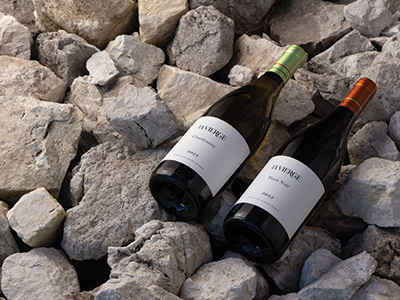
Wines such as the Red Blend and Syrah from our Story Teller Collection offer a broader perspective on Hemel-en-Aarde and the character its vineyards can produce.

In a valley so strongly associated with Chardonnay and Pinot Noir, these wines are not built as heavier or louder styles of red wine. Instead, they lean into subtlety, smoothness and elegance, shaped by the same cooler conditions and slower ripening that define the region itself.

 Hemel-en-Aarde’s cool-climate influence

Life in Hemel-en-Aarde moves at a slightly slower pace, and so does the ripening of the fruit. That slower development is part of what gives the valley’s wines their freshness, restraint and sense of balance.

For La Vierge’s reds, the result is a noticeably different style compared to many warmer-climate South African wines.

According to winemaker Christo Kotze, La Vierge’s 360-degree site orientation and cooler conditions allow the team to create wines that are “subtle and reserved in expression”.

“Softer tannin and dark fruits. Much more reserved in expression,” says Christo when describing the Story Teller Syrah and Red Blend. These reds remain composed and restrained, with softer tannins and dark fruit bringing depth without heaviness.

Looking beyond the expected

For Christo and his winemaking team, the Syrah and Red Blend are part of a deeper exploration of the possibilities of Hemel-en-Aarde. This approach reflects the estate’s long-standing philosophy of trusting the site and allowing each vineyard block to reveal itself over time, shaped by the natural conditions of Hemel-en-Aarde and La Vierge’s dryland farming approach.

For Christo, these wines are also about expressing both varietal and regional differences as honestly as possible. “It pushes us to try and express variety and area differences, which allows us to make wines that are focused on trying to express our farm and area as best as possible.”

The result is a collection of reds that remain grounded in the elegance and restraint of Hemel-en-Aarde, while offering another perspective on what the region can produce.

Red Blend 2022: The Upside Down Tree of Life

Led predominantly by Syrah and layered with Bordeaux varietals and Sangiovese, the Story Teller Red Blend takes a less conventional approach to red wine in Hemel-en-Aarde.

The wine leans into balance, smoothness and drinkability rather than a heavier or more traditional red blend style, while remaining grounded in its cool-climate origin. Notes of dark cherry, plum and mulberry bring brightness and depth, layered with subtle florals and dried herbs.

Christo describes it as “a representation of the other red varieties on the farm”. Using less common varietals for the region, the blend brings together subtlety and intrigue while allowing each variety to retain its own identity.

Shaped more by finesse and structure than weight or excess, the wine reflects the restrained style that has become synonymous with La Vierge’s approach to red wine.

Syrah 2022: The Giant Tortoise and the Clever Monkey

The Story Teller Syrah leans into a more restrained and finely structured style.

Rooted in the deep clay Bokkeveld soils of Hemel-en-Aarde Ridge, the wine carries dark fruit, soft plum and subtle spice, lifted by freshness and a gentle mineral edge.

Christo describes it as “a cool climate dark fruit expression of a wine with subtle spice nuances and soft tannins.”

Elegant and composed in style, the wine retains the distinctive character of Syrah while reflecting the restraint that defines so much of Hemel-en-Aarde.

Christo describes it as “a representation of the other red varieties on the farm”. Using less common varietals for the region, the blend brings together subtlety and intrigue while allowing each variety to retain its own identity.

Shaped more by finesse and structure than weight or excess, the wine reflects the restrained style that has become synonymous with La Vierge’s approach to red wine.

Exploring another side of Hemel-en-Aarde

At La Vierge, Story Teller wines like the Red Blend and Syrah continue broadening the conversation around Hemel-en-Aarde and the styles of wine the region can produce.

Grounded in elegance, restraint and a philosophy of trusting the site, these wines remain unmistakably connected to the valley itself.

They simply reveal a different side of it.

Father’s Day at La Vierge

News

Father's Day at La Vierge

Lunch & Wine Tasting in the Hemel-en-Aarde Valley

The best tables at La Vierge are usually the loudest ones.

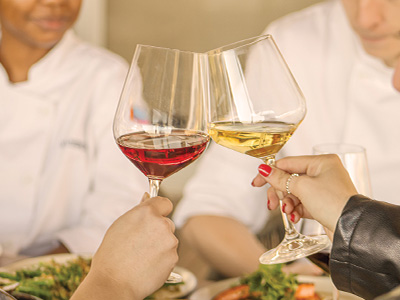
Wine glasses needing top-ups. Multiple plates being shared. Generations talking over each other while another bottle is opened somewhere in the middle of the table.

Father’s Day feels made for this kind of afternoon.

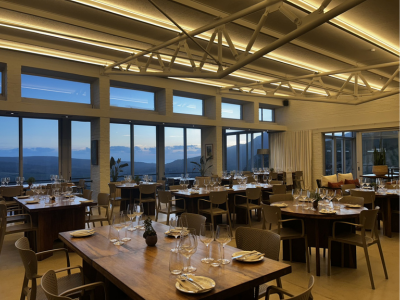
Join us on Sunday, 21 June at La Vierge Restaurant and Tasting Room for a leisurely Father’s Day afternoon. Good wine, food made for sharing and the most spectacular panoramic view of the Hemel-en-Aarde Valley in Hermanus.

“The foundation of La Vierge is the Clarke family,” says Executive Chef Rachel van Zyl. “They love each other deeply and they all work together. We wanted to represent those family bonds in the restaurant’s dining experience.”

This feeling carries naturally through the way people spend time at La Vierge. Some families settle in over a long lunch at the restaurant. Others gather in the Tasting Room for a relaxed wine tasting, working their way through a few favourites from our Estate Range or Story Teller Collection while deciding who’s taking home a bottle or two afterwards.

While Father’s Day may be the occasion, La Vierge has never really been about formal celebrations or overcomplicated dining. The focus has always been on good wine and honest food enjoyed with those who matter most. A memorable outing with Dad feels like the perfect reason to explore our new winter menu. Chef Rachel spent months building a menu around seasonal ingredients, slow-cooked dishes, generous mains and desserts designed to be shared our wines.

Wine has always led the experience at La Vierge. From the vineyard through to the restaurant, tasting room and farm experiences, everything is approached with the same sense of care and simplicity. If you’ve previously read about what “Trust the Site” means at La Vierge or how wine shapes every dish at La Vierge, you’ll recognise that same thinking around the table this Father’s Day too.

At its heart, Father’s Day is simply about being together and making Dad feel special. A good bottle of wine, a long lunch in the valley and the people he loves most around the table feel like a meaningful way to do exactly that.

Bookings for Sunday, 21 June are recommended.

How Wine Shapes Every Dish at La Vierge

News

How Wine Shapes Every Dish at La Vierge

At La Vierge, every dish begins with the wine.
Executive Chef Rachel van Zyl shares how seasonal ingredients and careful adjustments shape each plate around it.

As winter inches closer in the Hemel-en-Aaarde Valley, the work in the La Vierge kitchen begins to shift.

Executive Chef Rachel van Zyl is already deep in the process of shaping the winter menu, refining dishes, testing combinations and making small adjustments that bring each plate into alignment with the wines. The new menu will launch on 1 June. 

Building from the wine

The process doesn’t begin in a single place.

Sometimes it starts with an ingredient, sometimes with an idea and sometimes with a specific wine. What remains consistent is where it leads.

Each dish is shaped to sit alongside the wine, allowing both to come through clearly without one overpowering the other.

In a region known for it’s cool-climate Chardonnay and Pinot Noir, the wines already carry a sense of precision and balance.

The role of the kitchen is to work with that, not against it.

Winter Steak Tartare and Pinot Noir

For Rachel, this dish brings that thinking into focus.

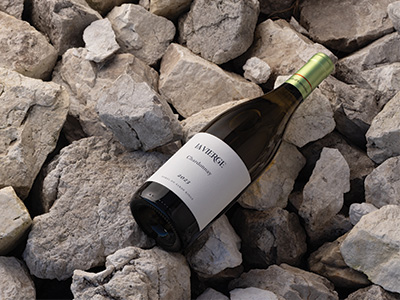
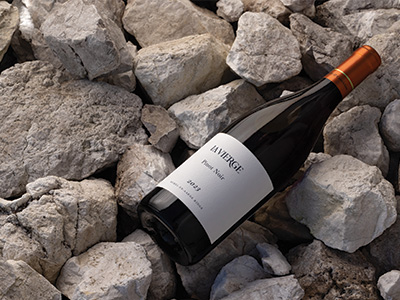
The steak tartare with beetroot vinaigrette, chives and crispy beetroot is built around La Vierge Pinot Noir, featured in both the Estate Range and the Story Teller Collection.

Known for it’s lighter structure and earthy depth, the wine calls for restraint on the plate. Rather than leaning into heavier, richer elements, Rachel worked with ingredients that echo and support these qualities. 

The sweetness of the beetroot and the acidity of the vinaigrette are carefully balanced to complement both the wine and the richness of the beef. It’s the smaller adjustments that make the dfifference on the plate.

“I decreased the amount of vinaigrette we pour tableside,” Rachel explains. “It stays exactly the same, we just use less of it. It could easily overpower the wine and the core flavours to come through clearly. “When everything works, the qualities in both the wine and the dish are enhanced. None of the flavours are fighting each other.”
Winter Burrata and Chardonnay

If the tartare reflects a dish built by the wine, the winter burrata takes a different approach. The burrata with roasted pears, beaurre noisette, thyme, honey and shaved almonds is built around La Vierge Chardonnay, featured in both the Estate Range and the Story Teller Collection.

Rachel’s initial instinct was to follow the wine’s brighter notes. Citrus and stone fruit had worked well on the summer menu. This time, it didn’t. “That approach didn’t work at all,” she says. “I had to move away from trying to replicate the wine.”

Instead, Rachel shifted direction.

Pears replaced citrus. Butter and almonds were introduced to draw out the wine’s nutty richness. On the palate, honey brings forward it’s floral character, while thyme supports it’s minerality.

Each adjustment bought the dish closer to the wine to working with its structure, is where the dish settles.

La Vierge’s Estate Chardonnay, recently awarded a Gold Medal and 95 points by the IWSC, reflects this same balance of structure and precision.

In a region known for Chardonnay, that precision allows the dish to sit alongside the wine without dulling its character.

Working with the season

Seasonality plays a direct role in how each dish is developed.

Rachel works closely with ingredients that are available locally, allowing the season to guide what comes into the kitchen.

In the warmer months, ingredients tend to lift the lighter qualities in the wines.
As winter approaches, the kitchen turns to beetroot, pears, pumpkin and citrus, bringing deeper, more layered flavours onto the plate.

This shift begins with what is available, and carries through to how the wines are experienced at the table.

“We definitely lean more towards the red wines in winter,” Rachel explains.

At the same time, white wines like Chardonnay require a more deliberate approach on the plate to maintain their balance and expression.

The details that matter

Often, it’s the smallest elements on the plate that shape how the wine is experienced.

Even something as simple as a garnish can shift that balance, so for Rachel, it is never an afterthought.

“Every garnish is selected intentionally,” she says. “If it doesn’t support the dish or the wine, it doesn’t belong on the plate.”

It’s a detail most guests may not notice, but one that directly shapes how the wine comes through with each bite.

A table shaped by wine

At La Vierge, the result is not just a dish, but a table.

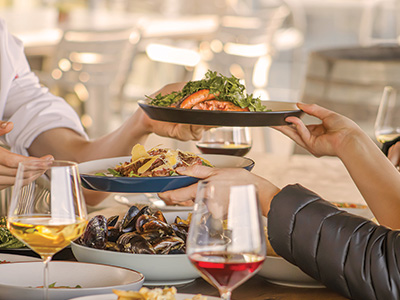
Open bottles, filled glasses and plates that move naturally among guests create a space for connection, conversation and discovery.

“A perfect La Vierge table definitely has a few bottles of wine on it and filled wine glasses to start with,” Rachel says.

As winter settles into the valley, that experience begins to take on a different character.

The new menu, launching on 1 June, reflects that shift. Guests can expect dishes shaped by the season, each one developed to sit naturally alongside the wines.

To experience the winter menu, explore the La Vierge Restaurant & Tasting Room or discover the wines behind the dishes in the Estate Range and the Story Teller Collection. 

Inside the 2026 harvest at La Vierge Farm on the Hemel-en-Aarde Ridge

News

Inside the 2026 harvest at La Vierge Farm on the Hemel-en-Aarde Ridge

This season has been shaped by dry conditions, late rainfall and shifting picking windows. With vineyards farmed without irrigation, each step reflects what the season has delivered.

At La Vierge Farm, harvest is never simply a date on the calendar. It’s the moment when a year’s worth of vineyard decisions begins to reveal itself.

Harvest on the Ridge

At La Vierge Farm, harvest is never simply a date on the calendar. It’s the moment when a year’s worth of vineyard decisions begins to reveal itself.

The 2026 harvest began slightly earlier than usual following a dry growing season on the Hemel-en-Aarde Ridge. Chardonnay led the way into the cellar on 13 February.

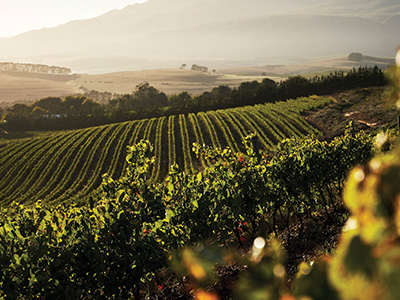
On the Hemel-en-Aarde Ridge, conditions favour a slower, more measured ripening of Chardonnay and Pinot Noir, shaped by the influence of the nearby Atlantic, altitude and ancient soils.

At La Vierge, these conditions play out in specific ways. Clay-rich Bokkeveld shale helps retain moisture through dry periods, and because the vineyards are dryland farmed, the vines rely on that stored water rather than irrigation. The farm’s natural amphitheatre exposes each vineyard block to its own balance of sunlight, wind and temperature. At harvest, these differences influence when each block is picked, how evenly the fruit ripens, and the balance it carries into the cellar.

The season Unfolds

The 2025–2026 growing season progressed steadily across the Ridge. Winter rainfall replenished soil moisture, while the Atlantic influence continued to moderate temperatures through the summer months.

The season was largely warm and dry, with a high volume of fruit on the vines. As harvest began, rain set in and continued through much of the harvest period, requiring careful timing and a more considered approach to picking.

For much of the season, the fruit developed evenly on the vines, with healthy bunches hanging as harvest began.

Our winemaker Christo Kotze says yields were higher, with larger bunches across the vineyards. Conditions remained favourable through the early part of the season, with vineyard decisions becoming more deliberate following the onset of rain.

A Narrow Window

In early March, a brief but record-breaking heatwave moved across the region, adding urgency to the final stages of harvest, with teams working closely to keep pace with changing conditions.

The heat shortened picking windows initially, bringing harvest forward, while the rainfall that followed slowed sugar accumulation in certain varieties and extended the time needed before picking.

From Picking to Processing

La Vierge vineyards are dryland farmed, relying on natural soil moisture rather than irrigation. Each vintage is shaped by the conditions of the season, and the team responds to what the vineyard delivers rather than adjusting the outcome. “This harvest forced us to adapt in many ways and to focus on each parcel as an individual, changing the approach to what the vineyard gave us,” Christo explains.

In the Cellar

The La Vierge approach combines restraint with thoughtful use of different vessels and techniques to handle each parcel individually. Fruit is cooled before processing, white grapes are separated from their skins early, red grapes remain on skins before fermentation, and each vineyard block is vinified separately to preserve its individual character.

Fruit and Variation

Fruit concentration has been strong this season, although Christo points out that acidity levels have dropped in some parcels, which is slightly atypical for the region.

Early Chardonnay and Pinot Noir blocks have shown strong concentration and volume, while later parcels have required a more measured approach following the rains.

Maturation and Structure

Maturation continues in a range of vessels that allow our cellar team to shape the wine with care. Alongside stainless-steel fermenters and tanks, La Vierge uses amphorae, French oak barriques and larger-format oak vessels, each contributing differently to texture and structure while allowing the fruit and site to remain clearly expressed.

This includes foudre (2500L oak), concrete egg, amphora, 500L puncheons, 228L barriques and stainless-steel tanks.

Precision in the Cellar

This year, we have introduced a new German wine press, a practical investment that supports our approach of combining traditional methods with carefully chosen modern equipment. It allows for more efficient processing and improved press juice quality, contributing to greater precision in the cellar.

A Consistent Approach

This focus on precision in the cellar is closely tied to Christo’s way of working. His experience includes time in the Hunter Valley and Tasmania in Australia, as well as Napa Valley in the United States, working with Chardonnay, Pinot Noir and Cabernet Sauvignon.

Since joining La Vierge in 2017, Christo has helped shape wines that aim for purity, precision and a clear sense of place. His winemaking philosophy is simple in principle, though never simplistic in execution:  focus on detail, avoid unnecessary intervention and allow the site to speak.

A Harvest Still Taking Shape

The 2026 harvest is still unfolding in the cellar, so its full character will only become clear with time. As Christo puts it, “It ain’t over until it’s over.”

At La Vierge, harvest brings together a year of vineyard decisions shaped by the Ridge and carried through carefully in the cellar. There is a quiet confidence in how the fruit has come through the season, with the wines now beginning to take shape in the cellar.

For a closer look at the thinking behind the vineyards, explore what Trust the Site means at La Vierge, or discover more about cool-climate Chardonnay and Pinot Noir from the Hemel-en-Aarde Ridge. The La Vierge Tasting Room and Restaurant in the Hemel-en-Aarde Valley offers a chance to experience these wines at the table, just 8km from the farm.

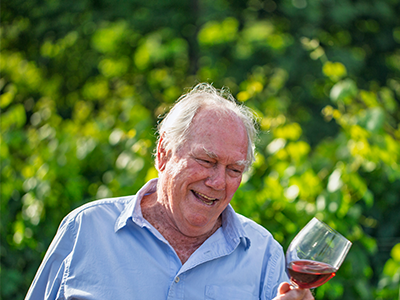
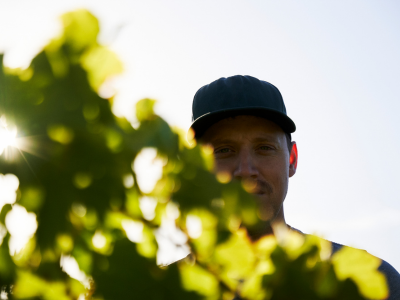
winemaker Christo Kotze of La Vierge Wine Estate
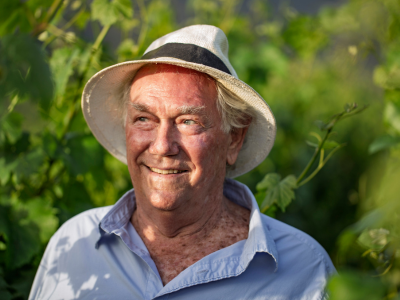
Peter Clarke - founder of La Vierge Wine Estate

What “Trust the Site” means at La Vierge

News

What "Trust the Site" means at La Vierge

Explaining La Vierge’s “trust the site” philosophy, shaped by custodianship of the land, dryland farming, and a long-term commitment to working within the natural limits of the Hemel-en-Aarde Ridge.

At La Vierge, “trust the site” is a belief shaped through years of working the land, guiding decisions on the farm for more than two decades.

In the early 2000s, Peter Clarke founded La Vierge farm by starting with the site itself. On the cool-climate Hemel-en-Aarde Ridge, he planted dryland vineyards on virgin soils and committed to farming without irrigation, allowing the vineyards to respond to the land and the seasons.

Over the years, this approach came to define what “trusting the site” means in practice. It’s a commitment to what the land can offer, requiring patience, consistency, and the discipline to work within natural limits rather than attempting to override them.

For Peter and his family, trusting the site has always carried a sense of responsibility. The land is treated with care and restraint, with decisions made for the long term rather than short-term gain.

Site before style

At La Vierge, style emerges. It’s not decided in advance.

Work on the farm begins with site characteristics such as soil composition, elevation, exposure, and climate. These elements determine how vines grow and how fruit develops well before any decisions are made in the cellar. Working against them would mean overriding the very conditions that define the vineyards.

Placing site before style also means accepting seasonal variation. Each vintage reflects the conditions of that year, rather than following a predetermined outcome. Ripening pace, fruit character, and natural balance are established in the vineyards, before our wines are made. This approach favours honesty and consistency over uniformity.

What the Hemel-en-Aarde Ridge gives us

Our vineyards lie within a natural amphitheatre on the Ridge, with varied aspects and elevations across the farm. This creates distinct conditions from block to block, with each developing differently as the seasons unfold.

The soils are dominated by clay-rich Bokkeveld shale. The clay holds moisture through dry periods, while the underlying shale encourages vines to root deeply as they mature. These characteristics influence how our vineyards grow and how they cope with seasonal variation, rather than dictating specific outcomes.

Cooling coastal breezes pass through the amphitheatre, moderating temperatures and slowing the pace of ripening. Together, these conditions define the framework within which the vineyards are farmed, rather than a set of results to be engineered.

How trusting the site shapes farming decisions

Farming at La Vierge is guided by long-term vineyard health rather than short-term yield targets.

Dryland farming is the clearest expression of “trust the site”. Our vineyards rely on natural rainfall and seasonal conditions instead of corrective intervention. This means accepting what each season provides, and allowing rainfall, soil structure, and root depth to determine how vines grow.

As the vines mature, they respond by establishing deeper root systems and developing greater resilience. Dryland farming also places natural limits on vigour and yield. Those limits are accepted as part of the site, rather than treated as constraints to be engineered away.

Block orientation, slope, and exposure are treated as defining attributes, not variables to be corrected. Each vineyard block is managed individually, recognising that small differences in site lead to meaningful differences in how fruit develops.

Trusting the site also means accepting boundaries. Yields are governed by what the vineyard can sustain, not by external demand.

How this thinking carries through to the wines

In the cellar, the same discipline applies. Winemaking is guided by restraint, with the aim of preserving what the vineyards have already provided.

Gentle handling and careful attention to balance and texture allow the character of the fruit to remain clear. Technique supports expression rather than directing it.

Season after season, this consistency of approach has produced wines that reflect clarity, structure, and a strong sense of place. They reflect the soils, the climate, and the accumulated understanding of the farm itself, rather than a fixed idea of style.

For the Clarke family, “trust the site” remains both a conviction and a responsibility. It connects land, farming, and wine, and continues to guide how La Vierge works, year after year.

Guests can experience this approach through tastings and pairings in the La Vierge Tasting Room and Restaurant in the Hemel-en-Aarde Valley.

Peter Clarke - founder of La Vierge Wine Estate

Cool-Climate Chardonnay and Pinot Noir from the Hemel-en-Aarde Ridge

News

Cool-Climate Chardonnay and Pinot Noir from the Hemel-en-Aarde Ridge

La Vierge’s Chardonnay and Pinot Noir grow in the cool folds of the Hemel-en-Aarde Ridge, where ocean air, clay-rich soils and patient farming shape the character of each wine.

On the Hemel-en-Aarde Ridge, the cool Atlantic air shapes the pace of each season, guiding the Chardonnay and Pinot Noir we grow into wines defined by freshness and quiet detail.

Twenty years ago, Peter Clarke chose this site for its cool, maritime balance — moderated temperatures, steady sea breezes and soils that encourage slow, even ripening. The vineyards sit in a natural amphitheatre with 360-degree exposure to the valley’s full range of weather patterns, from the misty morning fog rolling in from the Atlantic to the warm afternoon sunshine and the cooling coastal winds that settle the vines at the end of the day.

A temperate maritime climate ideal for cool-climate cultivars

The Ridge sits higher and cooler than the Hemel-en-Aarde Valley and Upper Hemel-en-Aarde Valley. It’s the smallest and most elevated part of the region. Ripening here tends to happen later, helped by the loftier slopes, clay-rich soils and steady coastal air. These conditions create a slower, more measured growing season for Chardonnay and Pinot Noir, with days that seldom push into extremes and nights cool enough to protect natural freshness.

For Chardonnay and Pinot Noir, this gentle pace matters. The fruit develops flavour without losing freshness, creating wines that feel detailed and composed — a natural expression of a site shaped by ocean air and patient farming.

Vineyard blocks that shape the character of each wine

La Vierge draws from over 30 vineyard blocks across the Ridge, each sitting slightly differently within the natural amphitheatre. These small shifts in elevation, aspect and airflow give each block its own expression, adding quiet layers of detail to both the Chardonnay and the Pinot Noir.

Cool-climate Chardonnay: calm; lifted and finely textured

Chardonnay from the Hemel-en-Aarde Ridge shows a quiet confidence. The cooler conditions help the fruit hold onto its natural freshness, while the slower season allows gentle layers of citrus, white stone fruit and soft floral notes to develop. The clay-rich Bokkeveld shale beneath the vines plays its part too, giving steadiness to the way the grapes grow and ripen.

In the cellar, oak is used thoughtfully. It supports the wine’s texture without taking attention away from its mineral edge. The result is a Chardonnay that feels detailed, balanced and unmistakably shaped by the Ridge.

In recent years, this cool-climate style has been recognised well beyond the valley. La Vierge was named among the IWSC’s Top 50 Wine Producers worldwide, and the La Vierge Estate Chardonnay received a 2025 IWSC Gold Medal and a 95-point rating — a quiet acknowledgement of the site and the steady approach behind it.

Cool-climate Pinot Noir: purity, finesse and gentle depth

Pinot Noir shows its character best in places where the climate stays cool and steady, and the Hemel-en-Aarde Ridge gives the variety exactly that. The maritime influence stretches the season, allowing the fruit to develop at an unhurried pace. In this setting, Pinot Noir expresses itself with quiet clarity — red and dark berries, touches of violets, gentle spice and a natural acidity that keeps the wine finely balanced.

The tannins are typically soft and understated, giving shape without heaviness. With a little time in the glass or bottle, more earthy notes begin to appear, reflecting the clay-rich soils that sit beneath these vineyards.

A site-first approach from vineyard to cellar

La Vierge’s philosophy is straightforward: let the Ridge guide the wine. Dryland farming encourages the vines to root deeply into the Bokkeveld shale, drawing naturally from the soil as the season progresses.

In the cellar, the approach stays calm and measured. The fruit is handled gently, fermentation choices follow what the vintage offers, and oak is used with restraint, so the wines remain true to their origin. This way, the final Chardonnay and Pinot Noir keep the clarity and freshness that the cool climate gives them.

Tasting the Ridge at the La Vierge Restaurant and Tasting Room

While the vineyards grow in the quiet folds of the Hemel-en-Aarde Ridge, our Restaurant and Tasting Room sit a little lower in the Valley, looking out over the same coastal landscape that shapes the wines. Here, guests taste cool-climate Chardonnay and Pinot Noir with a clearer sense of where they come from — the slopes just a few kilometres above them and the ocean air that moves through both sites.

Our tasting experiences pair these wines with thoughtful dishes from Chef Rachel van Zyl, whose cooking draws on local produce and the gentle flavours that suit cool-climate styles. In the cellar, Winemaker Christo Kotze works with the same mindset, allowing each vintage to reflect the season rather than a fixed recipe. Together, their work gives visitors a rounded sense of the Ridge: how the wines grow, how they taste and how they can be enjoyed at the table.

Each glass carries something of this place — the calm of the season, the maritime air, the clay and shale beneath the vines and the patience required to grow these varieties in a cool climate. For visitors to Hermanus, the Ridge is best understood in person: in the vineyards, in the valley and in the glass. Our Restaurant and Tasting Room offer a calm space to explore these wines in their home landscape.


A Family Day at La Vierge Farm on the Hemel – en – Aarde Ridge

News

A Family Day at La Vierge Farm on the Hemel-en-Aarde Ridge

High on the Hemel-en-Aarde Ridge, La Vierge Farm offers families a day outdoors on a working wine farm, with open-air picnics, guided vineyard tours and tastings, and a space to slow the pace.

The best family wine farm days are the ones where no one feels rushed or left out, and there’s something for everyone to enjoy. At La Vierge Farm on the Hemel-en-Aarde Ridge just over 13.5km from Hermanus, children have space to play, families picnic on the lawns or beneath old oak trees, and the day is spent outdoors with good wine, wholesome food, fresh air, and wide views across a working landscape.

This is a new chapter. Opening to the public for the first time, La Vierge Farm sits high on the ridge within a natural amphitheatre draped in vines, fynbos, and natural flowers. Guinea fowl wander around, tractors hum in the background, and our farm team goes about its daily work while our guests spread out across lawns and picnic spots.


Family-friendly farm

Kids are welcome at La Vierge. With a watchful eye, they can roam and explore the sights, sounds, smells, and textures of the ridge.

There’s also a secure area tended by a childminder, with a trampoline, jungle gym, mini boules court, and playthings for children to enjoy while parents relax nearby.

Oak Cottage: Your Starting Point on the Ridge

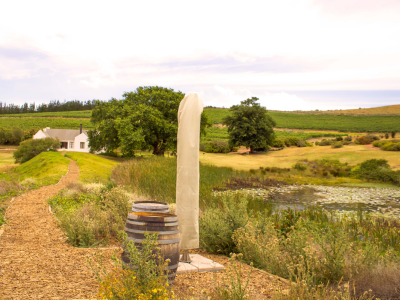
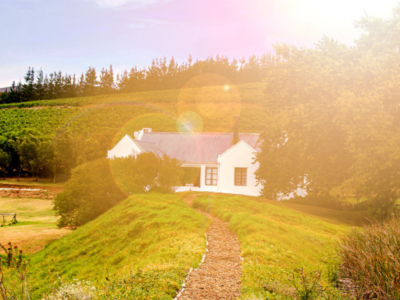
Oak Cottage is the oldest building in this part of the Hemel-en-Aarde, and is the strating point for our farm experiences, with shaped glens and picnic areas. You can also enjoy tastings, pairings and platters here. 

If you haven’t pre-ordered a picnic basket, the deli makes it easy to fill one from a seasonal offering of crafted sandwiches and wraps, vibrant salads, savoury pâtés, delicate mousses, small-batch jams and preserves, raw honey, refined sweet bakes, and a handpicked selection of artisanal treats and gifts. Tastings and pairings are also available.

Oak Cottage gives families a simple base from which the day can stretch out naturally.

Picnics at Oak Cottage

Vineyard Tours and Tastings

For guests who want to learn more about our work on the farm, our guided tour offers a gentle introduction. It’s a 45-minute guided walk with five stops, and a Story Teller wine to taste at each stop.

The walk is relaxed and interactive. Guests can learn about our vines and wines and ask questions along the way. Children are part of it too, with a trail bingo card that encourages them to tick off the animals, nature, and farm details they spot on the route. An exciting experience for little ones!

The cost is R350 per person and bookings are essential.

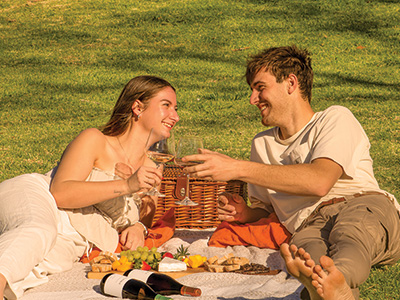
Picnics are the main event on La Vierge Farm. Pre-ordered picnic baskets are packed with a selection of freshly made foods and wines, and each one includes a picnic blanket. You can choose your own spot to stretch out and enjoy delicious wine and food.

For families planning things to do in Hermanus, a picnic on the farm offers an easy, unhurried way to spend a few hours soaking up the natural beauty of the region. We recommend pre-ordering to ensure your basket is ready and waiting for you.

Picnic timeslots run from 11:00 to 15:00.

Our Wines

La Vierge Farm is on the Hemel-en-Aarde Ridge, just 8km up the road from our Restaurant and Tasting Room in the Hemel-en-Aarde Valley. Here, open skies, fynbos edges, and sloping vineyards form a natural amphitheatre, exposing the vines to shifting weather systems and creating the conditions that shape our La Vierge Estate wines and our Story Teller Collection wines.

Our vineyards are dryland farmed, relying on natural rainfall and careful site selection rather than irrigation. Combined with the ridge’s slopes and exposure, this plays an important role in a region best known for Chardonnay and Pinot Noir. This approach to farming and site expression has earned La Vierge international recognition, including being named among the IWSC Top 50 Wine Producers Worldwide, as well as a 2025 IWSC Gold Medal and 95-point rating for our La Vierge Estate Chardonnay.

Pairing the Ridge with the Valley

Because the farm is a short distance from our Restaurant and Tasting Room in the Hemel-en-Aarde Valley, it’s easy to plan a full day across both locations. Some guests start in the Valley and head up to the ridge for a picnic and a walk. Others do it in reverse, beginning on the ridge and ending with a meal or tasting in the Valley.

If you’re visiting the Hermanus wine region for a day out, this gives you two distinct experiences in one route, with the ridge offering space, movement, and the working farm setting.

Oak Cottage by La Vierge Wine Estate - Picnic Site
Picnic Site, Oak Cottage by La Vierge in Hermanus, South Africa

Summer Sunset Sessions on the Deck at La Vierge

News

Summer Sunset Sessions on the Deck at La Vierge

La Vierge’s Summer Sunset Sessions bring live music with Afrophonic, cocktails and valley views together on the deck of our Restaurant and Tasting Room in the Hemel-en-Aarde Valley.

Summer settles gently over the Hemel-en-Aarde Valley, stretching the evenings and warming the slopes around our Restaurant and Tasting Room. Now is a time when the deck takes on the softer tones of early evening, cool breezes drift in from the coast, and guests come together to unwind, share good company and enjoy the simple pleasure of a relaxed summer evening.

This is the setting for La Vierge’s Summer Sunset Sessions — a seasonal experience shaped by golden hour, live music, and cocktails inspired by our Story Teller wines.

Launching on 16 December 2025 and running until 10 January 2026 (closed on Christmas Day and New Year’s Eve), these sessions offer visitors a relaxed way to end the day in one of the valley’s most scenic spaces. With the deck open from 18:00 to 21:30, guests can settle into the valley’s evening light at an easy pace. For holidaymakers browsing things to do in Hermanus in the festive season, our Summer Sunset Sessions offer a relaxed, unhurried way to begin the evening.

Golden Hour on the La Vierge Deck

As the day winds down, the valley takes on a gentler palette, and our deck becomes a natural vantage point for the shifting colours of the Hemel-en-Aarde Valley. Settle in with a glass or two and enjoy a slower rhythm to the evening. The sessions are designed as a break from the pace of the festive rush. There are no tastings or pairings during these hours; only good food and wine, the ease of live music, the company you choose to share it with, and the valley unfolding around you.

A dedicated Summer Sunset Menu is available throughout the season, shaped around relaxed, generous dishes made for easy summer evenings. Expect comfort favourites — from crisp chicken and warm brioche burgers to lighter options straight from the kitchen — all designed to pair naturally with the pace of the night.

Afrophonic Sets the Sunset Soundtrack

The atmosphere is shaped not only by the setting but also by the sound. Afrophonic, known for transforming art into music and creating curated, high-end private experiences, brings a distinctive tone to the Summer Sunset Sessions. Their approach blends layered Afrobeats with subtle visual elements, creating an intimate, immersive backdrop for the evening.

Their work is an interplay of sound, art and nature — a perfect fit for the way the valley lights up at golden hour. On the La Vierge deck, their sets unfold gradually, easing guests towards sunset without ever overpowering conversation or the calm of the surroundings.

Story Teller Cocktails Created for Summer Evenings

The cocktails for the Summer Sunset Sessions were created in collaboration with master mixologist Sebastian “Seb” Rodrigues. Our Executive Chef, Rachel van Zyl, first encountered Seb at a gallery bar in Cape Town, where he helped design a drink she describes as one of the best she has ever tasted. When planning the Summer Sunset Sessions menu, Rachel realised that his approach to flavour, detail and balance would be central to the experience we wanted on the deck.

Her research led to an immediate connection: Seb specialises in wine-based cocktails, making him a natural match for our Story Teller Collection. The result is a set of drinks shaped by both craft and character, created specifically for warm summer evenings in the valley.

Seb’s cocktail list draws on the Story Teller wines in ways that feel both playful and refined. Each drink carries its own character — some bright and tropical, others savoury or spice-led — but all created with the same intention: to taste like summer on the deck. It’s a small, considered menu designed specifically for these evenings and for the valley setting.

Plan Your Visit

Dates: 16 December 2025 – 10 January 2026
Time: 18:00 – 21:30
Closed: Christmas Day and New Year’s Eve
Location: La Vierge Restaurant & Tasting Room, Hemel-en-Aarde Valley, Hermanus

Booking is not required for our Summer Sunset Sessions, though we do recommend securing your spot if you’d like to guarantee space on the deck.

Guests are welcome to arrive and settle in at their own pace. For visitors exploring things to do in Hermanus in the festive season, La Vierge’s Summer Sunset Sessions offer a relaxed, scenic way to close the day — with Story Teller cocktails, valley views and the easy warmth of Afrophonic’s music.

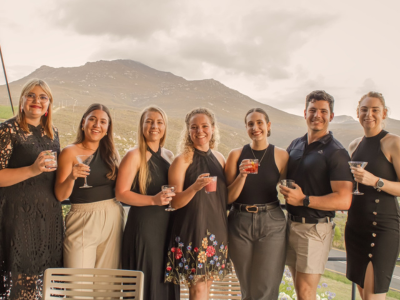
Friends at Summer Sunset Sessions at La Vierge Wine Estate during festive season
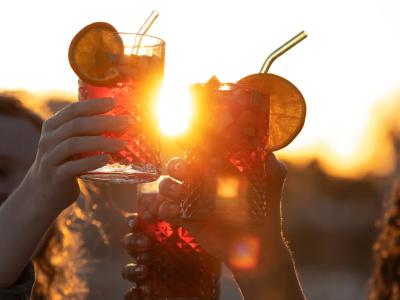
Sangria cocktails with friends at La Vierge Wine Estate during Summer Sunset Sessions
evenings at La Vierge Wine Estate

La Vierge Among IWSC Top 50 Wine Producers Worldwide

News

La Vierge Named Among IWSC Top 50 Wine Producers Worldwide

La Vierge, a family-owned estate in the Hemel-en-Aarde Ridge, has earned a place in the IWSC Top 50 Wine Producers for 2025. It’s a quiet milestone for our team and a welcome acknowledgement of the steady, site-focused work carried out over recent seasons.

A quiet milestone on the global stage

The inaugural IWSC Top 50 Wine Producers list is a new international ranking that highlights producers whose wines perform consistently well over a three-year period. Drawn from thousands of blind-tasted entries across 50 countries, the list is designed to guide wine drinkers toward producers with a proven track record of quality.

For La Vierge, the recognition aligns with work that began more than twenty years ago in the cool heights of the Hemel-en-Aarde Ridge, where Peter Clarke’s vision of dryland vineyards and patient winemaking formed the foundation of the estate’s approach.

What the IWSC Top 50 recognises

The International Wine & Spirit Competition (IWSC) is one of the world’s most established competitions, known for its panel-based blind tasting and structured scoring. In 2024, the organisation introduced its Top 50 Producers initiative, using three years of results to identify producers who maintain consistent performance rather than relying on a single standout vintage.

For wine producers, the ranking draws on every entry submitted over the three-year period. Each medal contributes to a producer’s score, with added weight given to recent results and small deductions where wines do not medal. The approach places emphasis on sustained quality and steady winemaking.

This year’s Top 50 Wine Producers were selected from 2,268 wine producers across 50 countries, highlighting both the scale of the competition and the significance of appearing on the list. La Vierge is ranked number 32 for 2025, alongside several South African estates whose inclusion reflects the growing international regard for Cape wines.

How the IWSC recognition reflects La Vierge’s philosophy

The recognition from the IWSC reflects the way La Vierge approaches wine. When Peter Clarke established the farm more than two decades ago, he chose a natural amphitheatre high in the Hemel-en-Aarde Ridge, planting dry-land vineyards on virgin soils. The intention was clear: trust the site and allow cool-climate conditions, careful farming and patient winemaking to guide the results.

Over time, this approach has shaped a focused portfolio of Chardonnay, Pinot Noir, Syrah and site-expressive blends. The 2025 IWSC Gold Medal and 95-point rating for the La Vierge Estate Chardonnay reflect the clarity and balance this philosophy aims to achieve. Together, these wines reflect a few core elements of the estate’s approach:

  • The varied 360° aspects across the farm that allow each block to express its own character
  • The structure and clarity that come from committed dryland cultivation, where the vines rely on natural rainfall and follow the rhythm of each season
  • A commitment to measured, quietly detailed winemaking that prioritises balance and a clear sense of place

Dryland farming remains central to La Vierge’s philosophy. In a region where irrigation is widely used, choosing not to irrigate limits intervention and strengthens the link between vine, site and season. The vineyards respond directly to what the year provides, resulting in fruit that carries an honest expression of origin.

The IWSC Top 50 list is rooted in data and blind tasting, which makes it a natural fit with this approach. It is not an award for a single bottle. Instead, it recognises consistency across vintages and styles in an international setting.

Over recent IWSC cycles, La Vierge’s entries have reflected the same thread that defines the estate’s wines: cool-climate fruit, balanced structure and a clear sense of site across seasons.

Our winemaker Christo Kotze captures this intention clearly. “You have to go back to basics and back yourself,” he says. “Attention to detail is everything, but we don’t chase trends. We make clean, site-specific wines that reflect the changing conditions of this location in every vintage.” For Christo, excellence lies in restraint – the discipline to step back and allow the ridge, the wind and the soil to guide the outcome.

A note from Hemel-en-Aarde

For a family-owned estate in Hermanus, the IWSC Top 50 recognition aligns with the ongoing work that guides each season. It also reflects the original intention for the farm: to make honest, site-driven wines in a region whose potential is still unfolding.

Our team views the ranking as:

  • A benchmark that indicates how La Vierge’s wines are showing in blind international tastings
    • A reminder to maintain and strengthen that standard across future vintages
    • A prompt to continue working with care in the vineyards and cellar, responding to what each season brings

The focus remains on the same elements that have shaped La Vierge from the beginning: the terroir of the Hemel-en-Aarde Ridge, the choice to dryland farm, and the people who work in the vineyards and cellar from one season to the next.

Visiting and tasting La Vierge wines

Guests can experience La Vierge’s wines at the La Vierge Tasting Room and Restaurant in the Hemel-en-Aarde Valley, overlooking vineyards and the surrounding mountains, or by exploring the La Vierge and Story Teller ranges.

For visitors who are curious about the IWSC results, the Top 50 Wine Producers list and individual medal details are publicly available, offering an additional lens through which to appreciate what is in the glass.

For more information on La Vierge wines or for bookings, contact us at hello@lavierge.co.za or call +27 28 313 0130.

In Perfect Conversation: Where Chef Rachel’s Kitchen Meets Christo’s Cellar

News

In Perfect Conversation: Where Chef Rachel's Kitchen Meets Christo's Cellar

La Vierge is a family-owned wine estate in South Africa’s Hemel-en-Aarde Valley, known for its cool-climate wines and a restaurant where every dish is created to complement them.

Here at La Vierge, our kitchen and cellar work side by side. One shapes flavour while the other reveals it. Together, they craft something quietly distinctive, where every element is considered and nothing is left to chance.

Each dish begins with the texture, aroma and character of our cool-climate wines of the Hemel-en-Aarde Ridge. Every bottle reflects the land that inspires it. Executive Chef Rachel van Zyl’s seasonal menu and Winemaker Christo Kotze’s cool-climate wines work in quiet harmony, creating moments where food doesn’t simply accompany the wine but brings its character forward.

Understanding the Wine Before the Dish

For Rachel, the creative process always begins with getting to know the wine: how it feels, how it moves, and what story it wants to tell on the plate.

“It’s important to me to understand how each dish makes the wine shine,” she says. “I want to create perfect harmony between the two.”

Rachel’s cooking philosophy is rooted in restraint, honouring each ingredient for what it is. She points to her mussel dish as an example: local mussels gently steamed with aromatics and white wine to echo the ocean character of the valley.

“There’s a deep complexity in simplicity,” she explains. “The mussels already carry a beautiful depth of flavour, so we work gently around that instead of changing what nature has done well.

Where Wine and Food Meet

When Rachel joined La Vierge earlier this year, it was her first experience working directly with a winemaker. What began as curiosity soon became collaboration.

“At first, I thought food should taste good and wine should taste good — simple,” she laughs. “Then I learned the difference between ‘it tastes good’ and ‘this is magic.’”

Christo Kotze, who describes his winemaking style as clean and site-specific, has spent years crafting wines that express the cool soils and maritime breezes of Hemel-en-Aarde. For him, pairing isn’t about matching flavours; it’s about balance.

“When the pairing works, nothing fights for attention,” he says. “The wine feels effortless, just as it does in a good vintage.”

Together, Rachel and Christo approach pairing as a dialogue. Rachel studies each wine’s tasting notes, then builds dishes that mirror or lift those qualities. The following pairings from our menu illustrate her how she brings this to life.

  • The Upside-Down Tree of Life, a Red Blend from our Story Teller Collection, with its sweet, earthy tones, is paired with goat’s cheese beetroot hummus, amplifying its grounded sweetness.
  • The Story Teller Chardonnay, The Turtle & The Shark, with its stone-fruit and citrus notes, finds harmony in a burrata dish with fresh nectarines, cucumber, preserved lemon and coriander seeds.

Each pairing is designed so that the wine leads and the dish follows. It’s a philosophy that defines the La Vierge Restaurant experience.

Explore our Restaurant & Tasting Room menu.

A Taste of the Valley on Every Plate

When asked which dish captures the spirit of Hemel-en-Aarde, Rachel doesn’t hesitate.

“It has to be the trout!” she says.

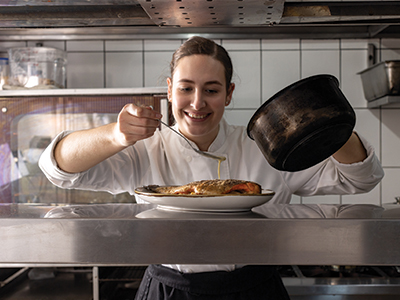
Sourced from a nearby farm, the trout is served with green olive salsa verde, and a fresh herb salad. Its buttery texture and mineral freshness reflect the same saline, earthy balance that defines the valley’s wines.

“It’s bright, punchy and balanced, just like the wines from here.”

This alignment from vineyard to plate gives La Vierge Restaurant & Tasting Room its unmistakable sense of place. It isn’t about luxury or indulgence; it’s about integrity, connection and allowing the valley to speak through both food and wine.

The Beauty of Restraint

At La Vierge, restraint is not limitation; it’s refinement.

In the cellar, Christo works to reveal the vineyard’s true voice. In the kitchen, Rachel interprets that voice through honest, seasonal ingredients. Together, they’ve created something rare: a restaurant recognised among the most authentic food and wine experiences in Hermanus.

winemaker Christo Kotze of La Vierge Wine Estate